What PE Equipment Do I Need? and How Do I Get It?

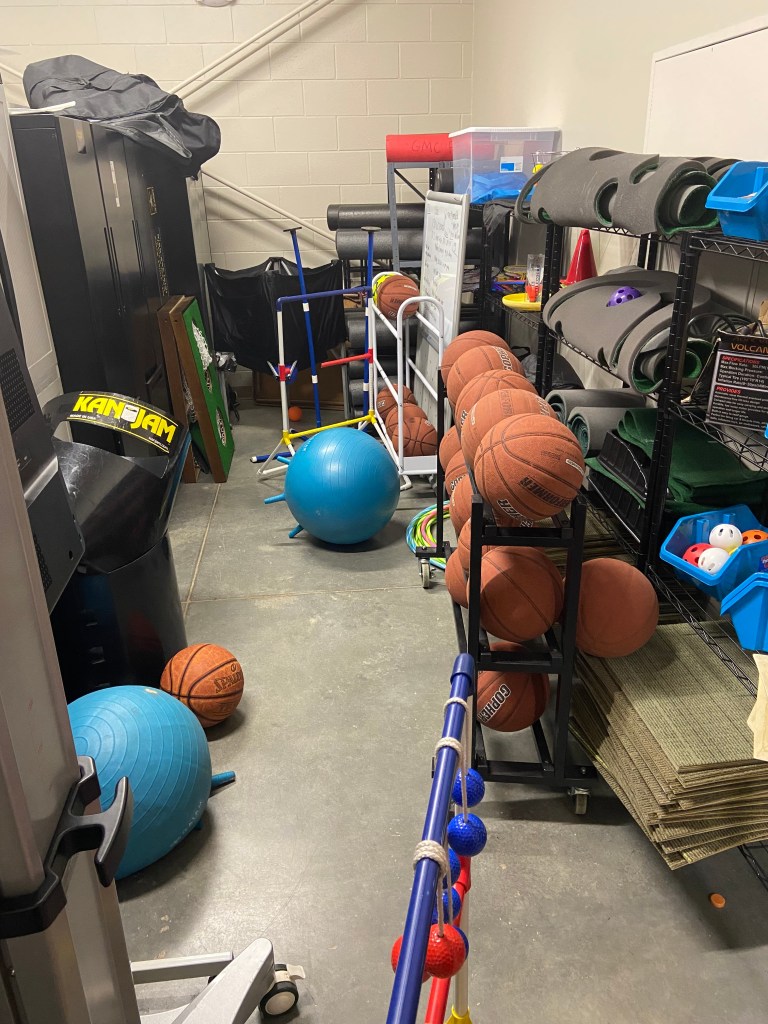
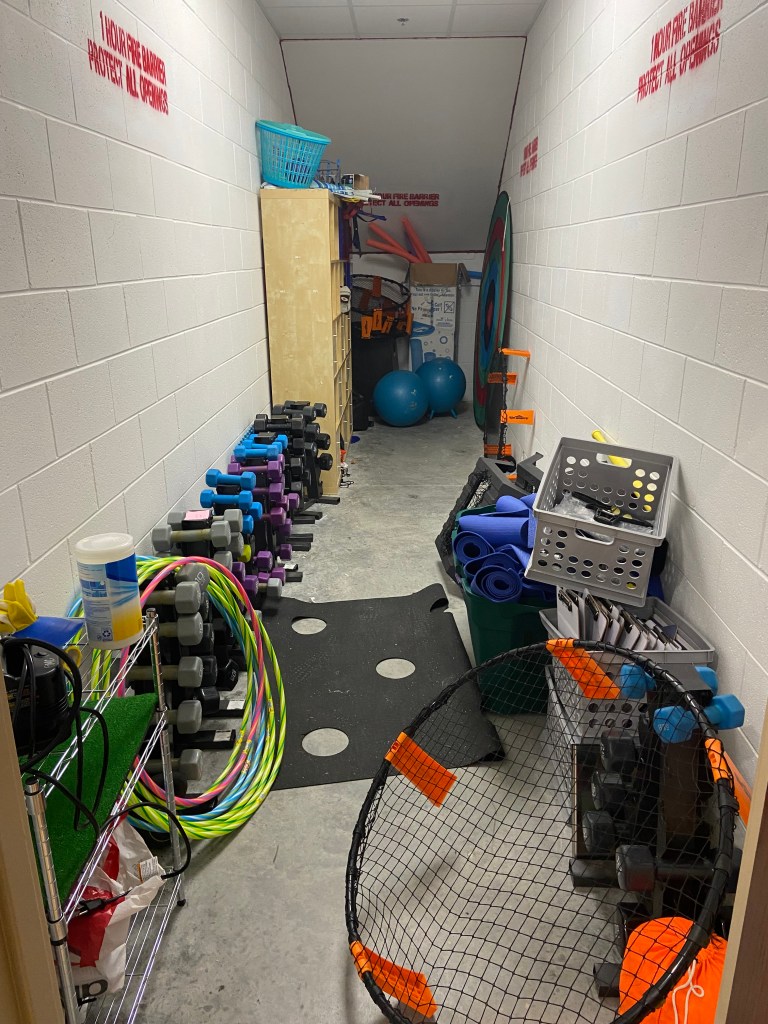
I remember before I began teaching researching what equipment I would need for my PE classroom/gym. I found a lot of helpful information for younger kids, but don’t feel like I found a lot for the older kids. That may be because most of them just want to play sports, but I want to be able to do other things with them so my equipment needs were different. I have compiled a list (with links where possible) for my must have equipment for high school PE.
Other important needs

** As an Amazon Associate I earn from qualifying purchases.**


Now the even bigger question is, “how do we purchase all of these things?”. I have been very successful at using Donors Choose. Set your goal small, that way you are more likely to get your project funded. Put together items that may go together in a unit and have those be one project, then later do another project with other items. Put your project in your signature of your school email, this is very successful with me! Post to your social media. Make sure in all your posts you state exactly how students will use the equipment, donors want to know what they are purchasing. Make sure to capitalize on any promotions that Donors Choose is doing, sometimes they will run promotions for doubling donations and other things that will get your project funded quicker.

At my school I am lucky enough we charge a “locker fee” for each kid taking PE. That $5 fee adds up and stays in a PE budget account for me to use as I need. That is all that I get from the school for equipment, so everything else I have purchased, have had donated, or have gotten through donors choose.

Check to see if your school’s PTA or even Booster Clubs offer any grants towards purchasing equipment the school needs. If so, apply for it, even if you think you won’t get it! The amount of research that shows more active students are better students is a great selling point for those grants.

Have a local Wal-Mart? They are wonderful at offering grants in my part of the country. Check with yours to see if they offer the same. Most years I can count on them for at least $500!

Good luck getting all the equipment your heart desires!

The Lawn Game Olympics

This past week and into next week my PE classes (Freshman) have been competing in the lawn game Olympics. This has been so fun! We have a 2 week time frame before our midterm exams and this is the perfect activity to take up that timespan. I only see my students every other day, so I will see them 4 times during these two weeks.

Lawn games are a perfect activity because they are lifelong games that almost anyone can compete it, no matter their “athletic ability”. There is usually 1 or 2 games each person excels at. It is also fun to be able to take these games and play them outside if we are having good weather.

Here is how I ran my Olympics:

Day 1: Choose teams. I used a random team generator https://www.jamesbaum.co.uk/team-generator/ to pick my teams so that it was as fair as I could make it. I like the one linked because it allows you to choose how many teams you would like. I split my classes in either 4 or 5 teams based on the number of students in class. I didn’t want more than 4-5 students on each team. I gave them these directions:

  • Each person on a team must compete in at least 2 games
  • Teams must complete all of the days games before replaying any games.
  • Any games replayed must be done by different members of the team, but replayed games don’t count towards the team members 2 games played.
  • There would be 9 games, we used: bocce, cornhole, tic tac toe, Spikeball, bottle bash, ladder ball, Kan-Jam, Chippo, and yard pong. *If I would have had more games I would have used more so that we played 4 games per day instead of 3.*
  • Day 1 teams should attempt to play all games available to see who excels in what games.
  • At the end of the class teams gathered to decide who was going to play what games. It seemed everyone had at least 2 games they felt comfortable playing.

Day 2, 3, 4: I chose 3 games each day to have out for competition. I tried to have one game with a frisbee each day, one “easier” game, and one more challenging game. I kept the directions sheets out at each game (highly suggest laminating them!) and had students read them before they played, so everyone was playing by the same rules and it was clear. Mostly, no one had questions which is amazing! If I had more games I would have done 4 per day instead of 3, but we didn’t at the time. I have 90 minute classes (minus 15-20 for dressing out and back in), so we had about 60 mins of actual competition time. The gave time for students to play each game and usually replay a game or 2. If your classes are shorter you may not want to have more than 3 games. Teams were told it didn’t matter what other team they played, if they won the game they won 5 points towards their team, if they lost, 0 points toward their team. This worked well.

  • Other versions you could do would be a round robin where each team must compete against each other team.
  • Bracket Play
  • or others you may find fun!

Students had a score sheet where they put down their team members competing, if they won points, and which game it was. If it was a replay game I had them right that down as well so I could make sure it was new member competing each time.

After day 4 the team with the most points will win! If there is a tie I will pick a game and let them choose anyone on their team to compete and it will be the deciding factor.

Fun things to add!

  • Decorate your gym/area with Olympics décor
  • Have teams pick team names or be a country if you wish.
  • Play music! This is an Olympic Theme Song Playlist https://open.spotify.com/playlist/4jTFoN4du33izKJH7D1cxU
  • Take your games outdoors if possible. Use the actual “lawn” for lawn game Olympics if the weather allows.
  • Have prizes or medals for winners like the real Olympics!
  • Have an opening and closing ceremony complete with running in of the torch.
  • You can do so much with this!

Want to run this in your class? I created a 2 page info sheet, 2 page score sheet (allows for scoring of 22 games) and 12 pages of directions for all the games I used plus washers, giant jenga, and giant connect 4! Happy to answer any questions if you have any!

You can find the resource here: https://www.teacherspayteachers.com/Product/Lawn-Game-Olympics-for-PE-7494923?utm_source=elliottsactiveacademy.com&utm_campaign=Lawn%20Game%20Olympics%20Blog%20Post

I also have a blog post with links to most of the equipment I used for this fun activity! https://elliottsactiveacademy.com/2021/12/14/what-pe-equipment-do-i-need-and-how-do-i-get-it/

Student’s Idea of PE versus the Reality

When I became a PE teacher it wasn’t my first professional job. I came about being a PE teacher through an alternative route after having another professional career for about 10 years. I knew coming into teaching that my methods and ideas of how to teach Health and PE would be different that the way that I experienced the class in school. I didn’t hate PE but I can’t remember loving it, or honestly learning anything either. Little did I know that I was up for a tough assignment due to the PE culture at my school.

The summer before I started in the classroom my colleagues and friends that had experience with my school kept telling me “anything you do will be better than what they had”. I wasn’t sure what that meant until I got in the classroom. The previous teacher would take the students to Chic-Fil-A EVERY SINGLE DAY. Here I am trying to get them moving, grooving and learning and I was battling students who had heard their PE would be fast food every day. Needless to say it was a culture I have had to overcome and are still overcoming.

The school I am at has a lot of siblings and even after 4 years I still hear that they wish they were just going to Chic-Fil-A every day. That’s hard to hear as an educator when you have big hopes and dreams for the things students will learn in your class.

So how do I deal with that? and the students who just want to play (insert sport here) every single day? My simple answer is communication and expectation.

I understand that high schoolers have an expectation that PE is a class where all they do is play and don’t put much value into the class and what they can get out of it. This is another blog post I could go on and on about as how PE educators have let students down by allowing that in their classrooms, but I won’t right now. Since students have this expectation of what they think the class will be, I communicate from the very first day how I run my class. I make sure they understand that we will be learning important topics, give them some examples, that they will have projects (we are a project based learning school), and that they will do things other than play sports for an entire class. Of course I get some moans and groans, but now they know what to expect and what NOT to expect.

I wish I could say that openly communicating early; and giving them an idea of how their year would go, would stop the “can’t we just play basketball” comments, but unfortunately it doesn’t. Each year I get less and less of that and more “I love that we are learning ……..” and that is my goal. I think I will continue to battle PE culture and past culture at my particular school for a little while longer. My hope is that if I keep doing what I know is best for the student’s my way of teaching will become the new culture and I will continue to get more and more buy in.

If you are a teacher reading this who does things differently in your classroom, no matter the subject, I would love for you to comment and let me know how you handle this?

To Fitnessgram or not to Fitnessgram (or other fitness testing)

This blog post is one that I feel very passionately about, so be warned I will be giving you my opinion. This is my personal opinion and it does not reflect all PE teachers, my school, or anyone else. These are just my views on fitness testing in PE.

If you aren’t aware, the Fitnessgram is the fitness testing that my state says we must conduct every year. It is also the cause of so much unnecessary stress in my students. We perform the tests and we talk about what they are supposed to assess, but my main goal in fitness testing is to let it turn in to a conversation about goals, goal setting, and how to achieve these goals.

The fitnessgram tests we perform in my classroom are the PACER, Sit and Reach, Curl Up Test, and 90 Degree Push Up Test. Before I ever start testing them, or really even talking about fitness testing, I am bombarded with students asking what they have to do on the tests to get a good grade. This is when I am glad that we do this at the beginning of the year because it lets me tell them how I grade. I WILL NEVER AND HAVE NEVER graded a student based on their physical performance in my class, that is just not my style or classroom culture I want to create. Usually just telling them that, that they don’t have to reach the healthy fitness zone number of pacer laps to pass, or do a certain number of push ups, they immediately feel less stressed. I tell them I just want them to do their best, and when they feel they have done that, than I am happy. I cannot imagine grading students based on physical performance. Every student has a different background and is not the same athletically, having them have to run a certain amount to get a good grade is just mind blowing to me. This was the way it was done for me growing up, and although I succeeded at these kids of tests, I know not all kids will.

If I take the kids who don’t like being active, and then I make them be active, then I grade them badly, I am going to lose them forever. But if I can just tell them to do their best and that’s good enough, I have a chance to throughout the year get them to love some kind of physical activity. That is the ultimate goal. Most of my students light up as soon as I tell them to take the pressure off and just do their best, you can visibly see them relax and feel better about it. Because of that lessened pressure, they all perform and honestly they all have done great, because I am not judging based on “where they should be” but by their effort.

Once the fitness testing is complete, we talk about the healthy fitness zones and that someone came up with those numbers and that is where ultimately they may way to aim for, but that when we retest any improvement at all is something to be celebrated. This gives me a chance to jump into talking about goal setting. We talk about SMART goals and we relate them to PE, but we also relate them to life. I created a Fitnessgram Goal Setting Worksheet where they can see what tests were and were not in the healthy fitness zone, and then set goals for all 4 tests that we did (yes even if they were in the healthy fitness zone).

As the class works through their goal setting we make sure their goals are specific, measurable, attainable, realistic, and timely. Sometimes this take a little work getting them to understand their goal and what they may need to add to have it be a SMART goal, but eventually they get it and now we have goals. After that, we talk about and write down HOW they are going to reach those goals. If they set a goal of going from 2 to 10 push ups they have to decide what they are going to do to reach that goal. We do this goal setting and make a plan for each test we perform.

After they do this, I create a huge spread sheet of their current scores and their goals. When we retest, I just want to see some improvement or that they have reached their goals.

With doing my fitness testing this way, I have 100% participation and no one hating the few days it takes to get through these tests, and I would say that is a win!

Feel free to check out my 2 page Fitnessgram Goal Setting Worksheet that I use in my classes on TPT! Click on the preview below.

One of my favorite units and activities to teach…MINI COUCH TO 5K

My philosophy in my classroom is to teach students activities they can do FOR A LIFETIME. Walking/jogging is one of those activities we all hope we can do for a long long time, no matter our age.

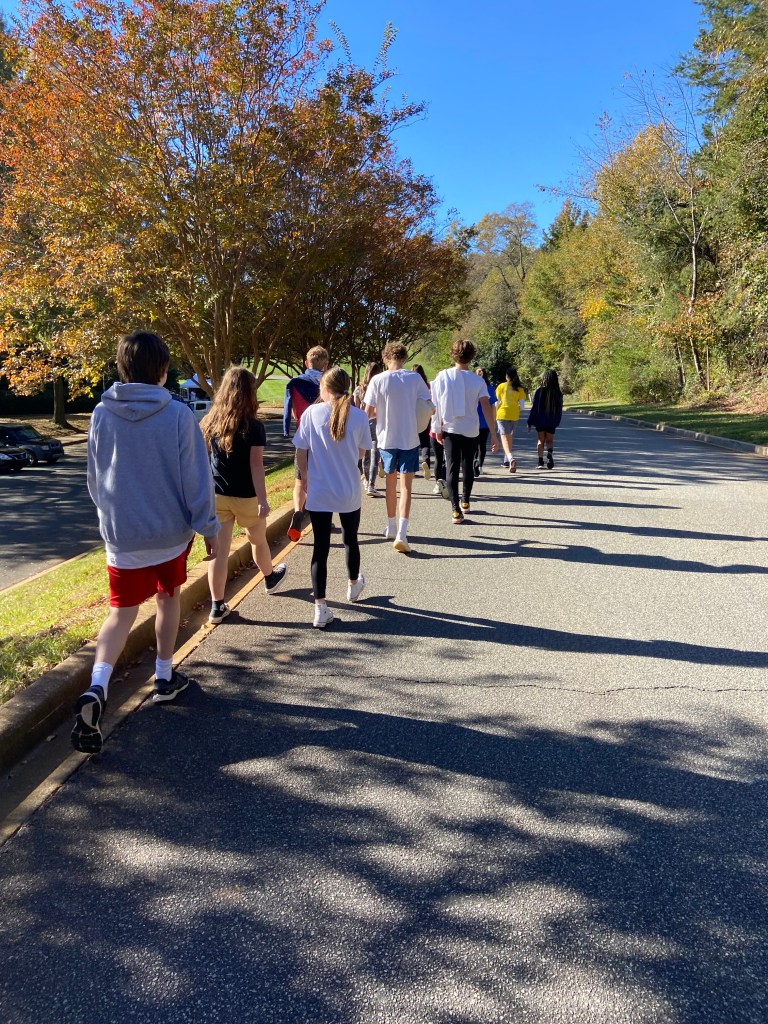
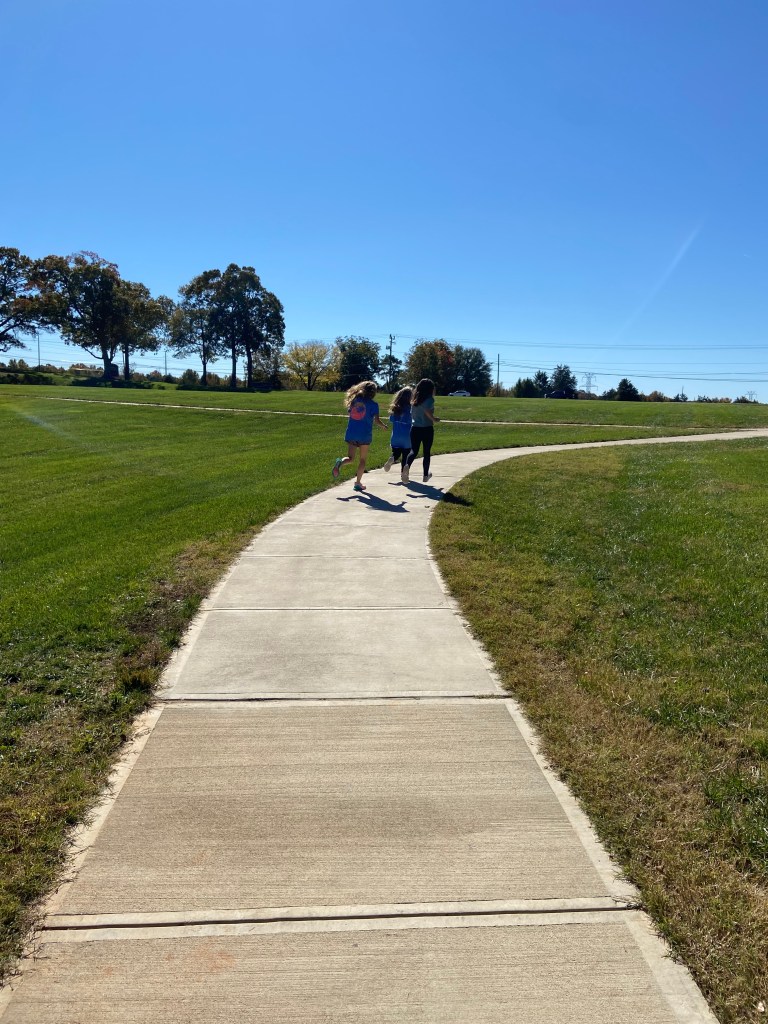
During my Cardiorespiratory Unit my classes (all freshman in high school) do a mini couch to 5k program. My classes are 90 minutes long and we meet every other day (2x per week). I take one day of the week to do the walk/jog/run and the other day to do other fun cardio activities in the gym or outside that go along with the unit.

Equipment Needed:

A place (flat if possible) to walk/jog. If your school has a track that’s perfect. Ours doesn’t.

A way to track distance for each student. I ask them to use their phones or GPS watches with any app that tracks distance while working out. Strava, Nike, other apps like that. Students who don’t have a phone share with someone who does, they just stay with them while doing the activity so their distance is the same.

*the beauty of this is not much equipment is needed, and the students love having their phones. I let them listen to music or whatever as long as they are participating*

How I structure my walk/jog/run:

Week 1: introduce the activity and make it a class challenge. Students in each class compete against the other classes to get the most average miles over the course of the activity. The winning class gets a party provided by me, and a free play day. This is the key…they LOVE this. Give any high schooler the option for free food and a day to listen to their phones and they are in.

That week we only walk. We do 30 minutes straight walking, no running allowed even if they want to, just to keep it an even playing field.

Week 2: 1 minute jog/run, 4 minutes walking recovery– we repeat this for about 40 mins. That is a little misleading because we have to walk to our “track” and it takes about 6 mins to get there and 6 back, so we really repeat the intervals for more like 28 mins.

Week 3: 1 minute jog/run, 3 minutes walking recovery– this week we decrease the rest interval but keep the work interval the same. We use the same 40 mins total time.

Week 4: 2 minute jog/run, 2 minute walking recovery– this week gets harder for them since we increase the work and decrease the rest intervals. We use the same 40 minutes total time.

Week 5: 3 minute jog/run, 1 minute walking recovery– this week the kids run more than they walk and we really get moving and grooving! I increase the time slightly to 45 minutes.

Week 6: Anything goes! I let them choose their intervals and how much they run or don’t run, but the goal is to get 3.1 miles by the end of our time.

My goal with this isn’t necessarily that they can run a 5k without stopping. I just want to introduce them to interval training and an activity they can enjoy while its beautiful weather outside. They get to see how we can integrate technology (gps tracking on their phones, music, etc), and friends into this activity.

At the end of each class period I have them come show me their phones with their distance. I keep it in a spreadsheet and do an average miles per class each day the activity is done. Then I add the averages for total average miles to determine the winner. I found this is the easiest way since class numbers are so varied.

My PE Philosophy and Structure

In my previous post I explained that my education and training wasn’t in education, so when I began teaching I was doing it from scratch. The teacher at my school before was no longer here, there wasn’t much equipment, and I was the only teacher in my department, and I also did not have a gym or much outdoor space to teach. I had a classroom with some squat racks, some dumbbells and bands, and a few other things we could use. Trying to figure out how to get kids active with these circumstances was HARD, but I did it. I am so glad that I now have much more equipment and a beautiful gym to help me reach my goals of making the next generation more active and understanding why they need to be. What having these circumstances did provide me was a chance to really see what I wanted to teach. I knew that I didn’t want to teach full units on sports, but didn’t know how to incorporate them with what I did want to teach.

What I decided on was that I wanted to teach based on ACSM’s 4 Components of Exercise. Cardiorespiratory, Resistance, Flexibility, Neuromotor and that I wanted to add in information about nutrition as well. I knew I could then mix in the traditional sports during these units to show how sports and athletics fits in with being active.

This is drastically different than how my PE classes were in school, so each year I make sure to explain what they can expect, and WHY. I give them the statistics about organized sports after high school and why they need to find an activity outside of sports that they can enjoy for a lifetime. It has taken a few years, but I believe they are now fully onboard since they now know what to expect coming into our school. I still get the “why can’t we just play basketball the whole class.” As frustrating as that is, I just explain WHY and they usually understand.

My year looks like this:

Introduction to Physical Activity and Exercise: I introduce the 4 components, benefits of exercise, FITT, and talk about barriers to exercise.

Cardiorespiratory: we learn how to take heart rate, calculate heart rate zones, learn about different types of cardio, do a mini couch to 5k, learn cpr and get certified, and much more. Inside of this unit we do play sports like basketball, ultimate frisbee, kick ball, etc. The students understand the sports have a place (and they absolutely do), but that they won’t be doing it for weeks on end.

Resistance: we learn about bones and muscles, how to do the main movements correctly (squat, press, hinge, etc), the importance of bone loading exercise.

Flexibility: we get to do things like yoga, foam rolling (thanks to donors choose who funded 50 plus foam rollers for my classroom!), and understanding the importance of flexibility and recovery when being active.

Neuromotor: I don’t spend a lot of time on this since this fits in other categories but we do have some fun doing ladder drills, playing with bosus, and the trx.

Nutrition: we talk about the macro and micronutrients, how to read a food label, we go on a field trip to a local grocery store and do a food label scavenger hunt after that lesson and it is so much fun! You can find that activity at this link if you are interested. https://www.teacherspayteachers.com/Product/Nutrition-Label-Scavenger-Hunt-7382485. I haven’t gotten as deep into this as I would like. With covid, it was hard to get through everything I wanted. We will see how this year goes.

Throughout the year I add in some fun mini units like mini golf, we take a field trip to play mini golf, they they design their own mini golf hole in groups and then we have a whole course to play. We invite other classes to come play and vote on the most creative hole. It’s a fun activity that gets the whole school invested and the kids love it. We also play some disc golf since we have a 9 whole course on campus.

The biggest buy in I get from my kids has been since I started “Free Fun Friday!”. On Fridays our school gets our early so our classes are much shorter, so we do free fun activities. They can do anything they want as long as they are being active the whole time. This gives them the chance to do the things we may not do as much during our class period. They know each week that at the end of it, they will get to play basketball, football, volleyball, or other things so they usually participate so well during the week.

Over the time I’ve been teaching I have gotten so many kids that thank me for the way I teach. If they hate sports they are glad they only have to do it a little at a time, and if they love them they know they get to do them every Friday. The biggest feedback I get is from students who hate feeling compared to more athletic students, so they love that most of my class is to work on goals for yourself and they don’t feel self conscious.

Here is an article with more about the shift from sports based PE to fitness based PE. The PE Shift by Caralee Adams https://docs.google.com/document/d/1I8ORTHRb2XNyMflvfOOoRuDjRKyKvqyxH-FzRGyUzGQ/edit?usp=sharing